Professional Logo Design Process How is a professional logo design executed? What steps are required to transform raw, initial concepts into a polished, professional identity that empowers a business to build its brand? Join us in this article as we explore and gain a deeper insight into the professional journey of logo creation. Vareno’s 7-Step Professional Logo Design Process.
Logo design is one of the most critical elements of a brand. It serves as the foundational step in building a brand identity—a visual representation of the business, its products, and services within the market.
Developing a professional logo design workflow requires a systematic and logical connection between every step. This process is the culmination of extensive experience and practical expertise gained across numerous projects by both individual designers and the entire creative team, ensuring the best service experience for our clients.
Mục lục nội dung
1- What is the significance of professional logo design?
Logo là hình ảnh đại diện của doanh nghiệp đến với khách hàng, Logo là một trong những phần không thể thiếu để làm cho thương hiệu của doanh nghiệp trở nên thành công – cùng với đó là chất lượng của sản phẩm/dịch vụ doanh nghiệp bạn cung cấp tới cho khách hàng.
Key reasons why every business needs a professional logo:
- The Foundation of Brand Recognition: Your logo is the very first and most critical touchpoint between your brand and its customers. A professional, striking, and memorable design ensures that your brand stays top-of-mind, making it easier for clients to recognize and recall your business instantly.
- Distinctive Differentiation & First Impressions: A professional and creative logo. By reflecting your core brand values through unique design, you create a powerful first impression that builds immediate trust and credibility with your audience.
- Driving Brand Loyalty & Sales Growth: The logo is a pivotal element in all marketing and promotional activities. A high-quality logo attracts potential customers, directly influencing purchasing decisions and boosting sales. When customers trust a visual identity, they are more likely to return, fostering long-term brand loyalty. Example: When looking for premium footwear, the iconic logos of Nike or Adidas are the first images that come to mind.
- Establishing Corporate Professionalism: A logo is a testament to your company’s professionalism. A well-executed design projects a prestigious and reliable image, ensuring your business looks trustworthy and established in the eyes of partners and customers alike.
Essential considerations when designing a corporate logo:
- A logo needs to reflect the brand’s identity and cultural values.
- A logo needs to be memorable and easily recognizable.
- A logo should be easily usable on various materials, from print and websites to documents…
- A logo needs to be appropriate for the company’s field of activity
- A logo needs to be copyrighted as an intangible asset of the business.
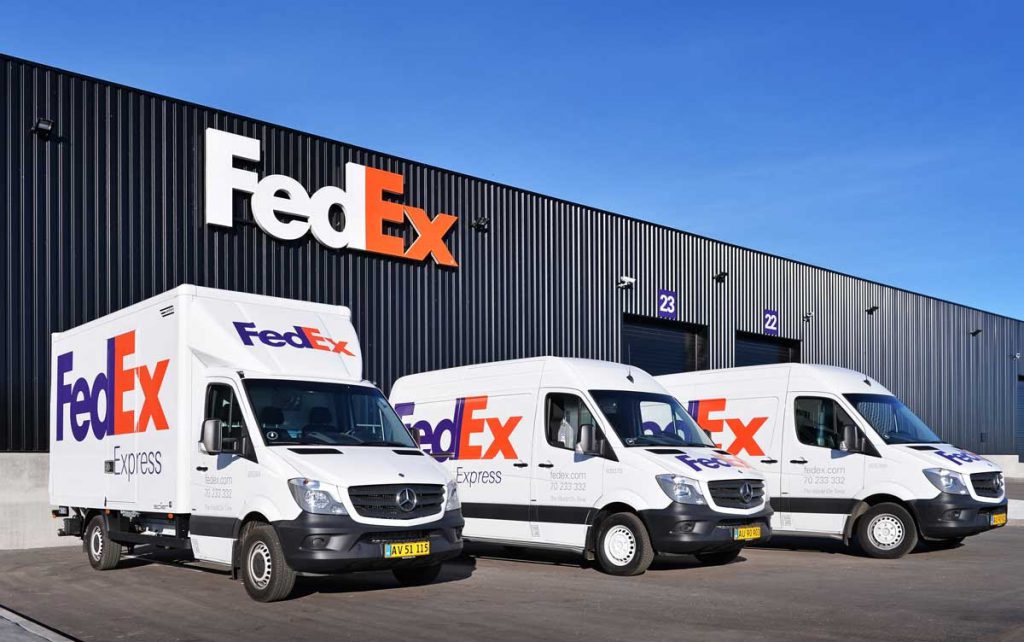
The logo of the international shipping company FedEx.
Common reasons why businesses often undervalue brand logo design:
- Lack of Awareness Regarding Logo Importance: Some businesses undervalue or lack a clear understanding of the critical role a logo plays for a newly established brand. They mistakenly perceive a logo as merely a small graphic that has little to no impact on the overall success of the enterprise.
- Budget Constraints or Cost-Saving Measures: Many businesses with limited budgets often opt for low-cost design services or attempt to design a logo themselves. However, this cost-saving approach frequently results in a brand identity that fails to meet professional industry standards.
- Time Constraints or Rushed Execution: Many businesses prioritize speed over quality, opting for quick, “get-it-done” designs without investing the necessary time into brand research. This rushed approach often results in a logo that lacks strategic depth and fails to capture the true essence of the brand identity.
The consequences of neglecting professional logo design:
- Increased Marketing Costs: The logo is a fundamental element in all marketing and promotional activities. An unprofessional logo forces a business to spend significantly more on advertising just to gain brand recognition and overcome a poor first impression.
- Loss of Business Opportunities: An unprofessional logo makes it difficult for customers to recognize and remember your brand. This lack of visual impact can lead to missed business opportunities.
- Negative First Impressions: An unprofessional logo creates a poor first impression, which can lead to a loss of consumer trust. This skepticism often discourages potential clients from engaging with your brand or choosing your products and services.
Therefore, it is crucial for businesses to fully recognize the importance of a logo and invest appropriately in its design. A professional logo is an absolute necessity—it not only creates a powerful first impression but also drives sales growth and establishes a high level of corporate professionalism.
To achieve a truly professional result, we must adhere to the following 7-step design process:
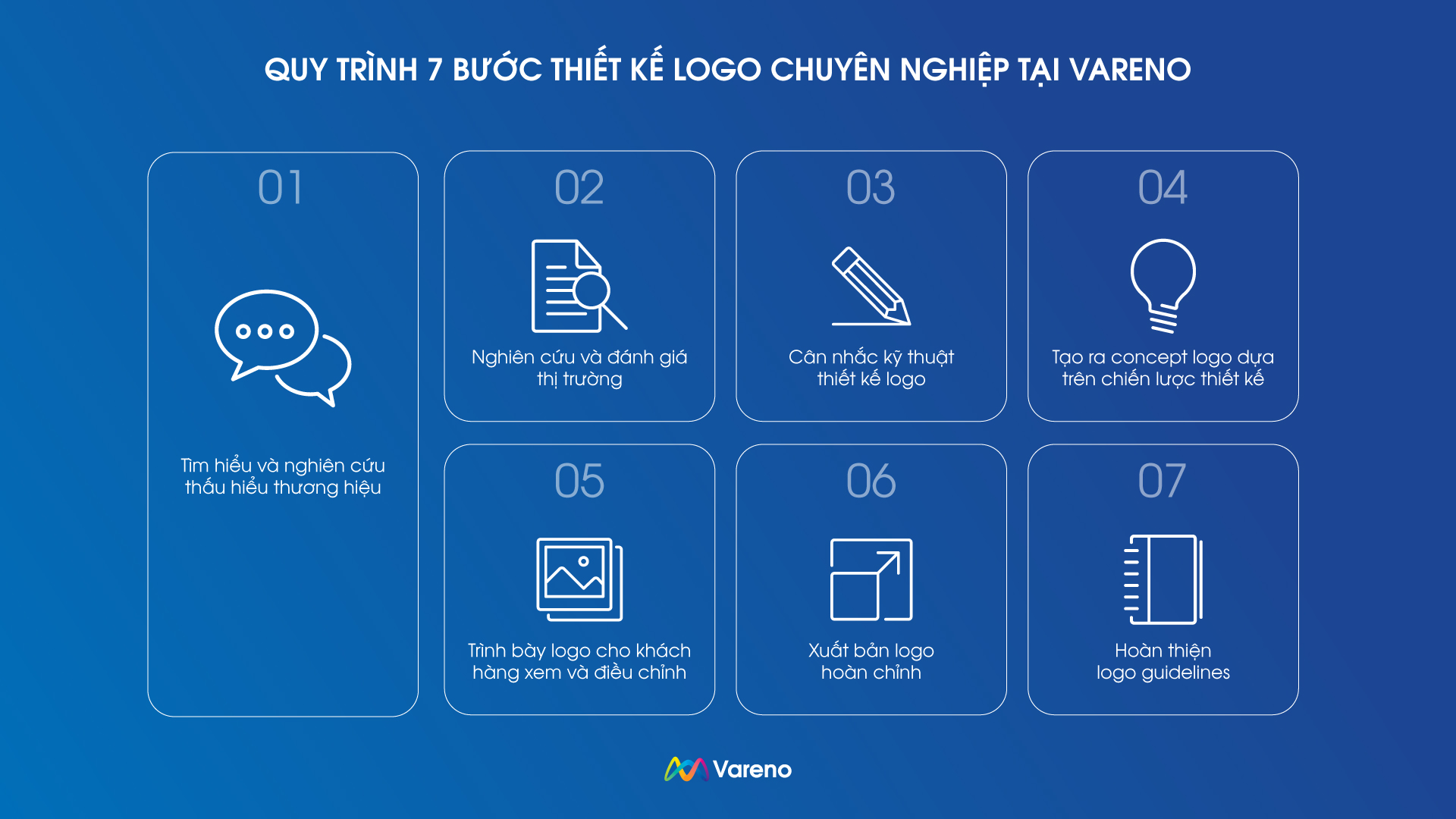
2- Vareno’s 7-Step Professional Logo Design Process.
Step 1: Brand Discovery & In-depth Research
In this initial step, Vareno focuses on discovering our clients’ needs and aspirations. We delve deep into the brand’s core to gain a comprehensive understanding, which allows us to establish a strategic design direction tailored specifically to your brand identity.
Our research into the specific characteristics of the desired brand includes:
- Brand Name & Slogan: The primary brand name and tagline (if any) to be integrated into the logo design.
- Industry & Sector: Detailed products and services provided by the brand. The industry directly influences the logo’s visual style and artistic direction.
- Target Audience: The specific demographic the brand aims to reach, which helps define the appropriate design language.
- What is the primary message or value proposition that the brand wants to communicate to its customers?
- What are the specific goals and expectations for the new logo design?
- What are the brand’s preferred styles and color palettes to convey?
- How does your brand identity stand out or differ from your key competitors?
- Ensuring the logo reflects the company’s cultural heritage, personality, and core values
Brand discovery and research is a critical phase in understanding and fully expressing the values that a brand represents. It is considered an indispensable element of any professional logo design workflow. This stage serves as a vital foundation, providing the design team with a strategic list of keywords and creative concepts to refine the final logo design.
Step 2: Market Research & Competitor Analysis
Markets and competitors evolve daily; therefore, staying updated with the latest design trends, color palettes, and visual languages is essential. In brand identity creation, market research and evaluation must never be overlooked. By analyzing market dynamics, we gain objective insights to craft a brand with a unique personality and identity. This ensures the brand aligns with industry-specific requirements and maintains a strong competitive edge—standing out among thousands of others and establishing a solid market position.
Step 3: Technical Design Considerations & Logo Styles
A logo can be an image, text, geometric shapes, lines, or a unified combination of these elements, designed to express, communicate, and represent the brand identity of a business.
Logo design techniques involve strategic approaches that utilize brand names, symbols, or a combination of both. Our team of experts, with years of industry experience, carefully selects the most effective and optimized techniques to convey the visual identity, message, and core values that a brand aspires to achieve. Let’s join Vareno in exploring the 10 popular logo design techniques that every business should know:
Lettermark / Monogram Logo Design
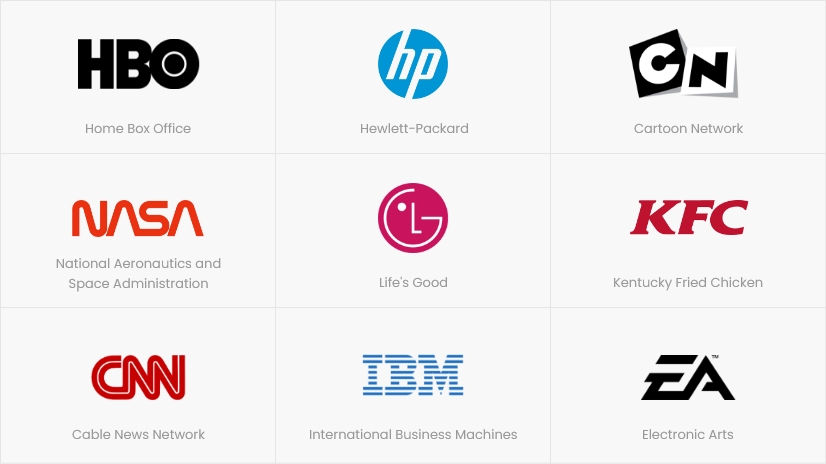
Lettermark or Monogram logos focus on utilizing the brand’s initials or abbreviations. This approach is highly effective for companies with long or complex names that might be difficult for customers to remember. As a prominent choice in corporate branding, these logos streamline the identity into a bold, memorable visual.
Global brands such as HP, HBO, CN, and KFC all share this strategy—using the first letters of their organization’s name. The primary goal of using abbreviations is to ensure the brand remains easy to read, recognize, and recall.
Wordmark / Logotype Design
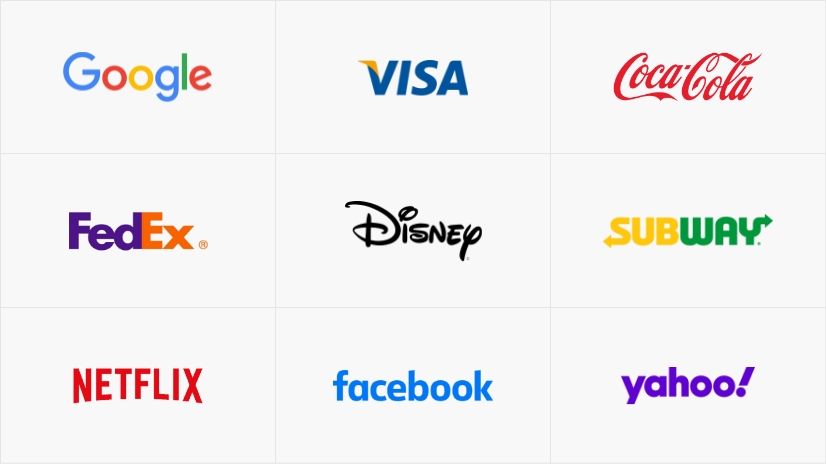
Wordmark design is similar to Lettermarks, but instead of initials, it features the full company name without abbreviations or combined characters. This technique relies primarily on bespoke typography, focusing entirely on the brand’s name—as seen in the iconic identities of Visa, Coca-Cola, and FedEx.
Wordmarks are ideal for businesses with short, distinctive names. Google is a prime example of this success: its name is legible, memorable, and catchy. By combining modern, robust fonts, Wordmark logos ensure high brand recognition and seamless versatility across multiple platforms.
Abstract Logo Mark
Abstract logo design utilizes unique geometric forms to capture customer attention, making it a popular choice for forward-thinking companies. By representing products or services through a symbolic mark, this technique helps the brand remain memorable. It excels at distilling complex concepts into interesting, simple, and evocative shapes.
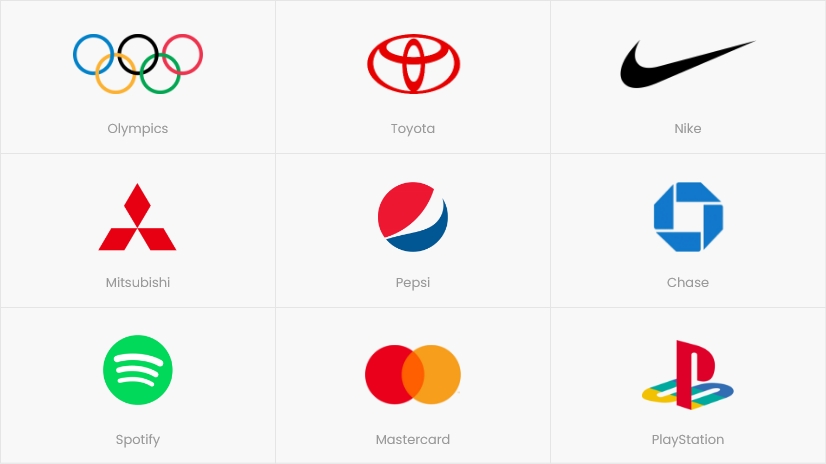
Pictorial Mark / Brand Mark
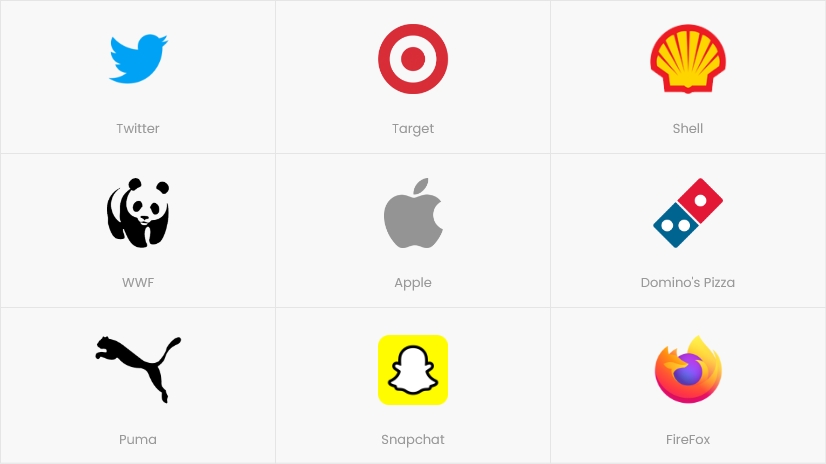
Pictorial Marks or Brand Marks utilize a stylized and simplified image to represent the brand. The most iconic examples include Apple’s bitten apple and Twitter’s bird silhouette. Humans are naturally drawn to imagery, and visual icons are far easier to remember than text alone. These marks often subtly hint at the company’s mission and make a powerful, lasting brand statement.
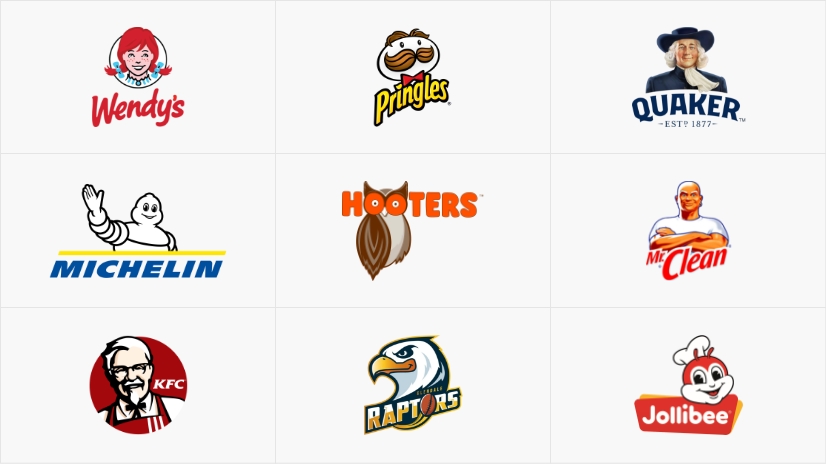
Mascot Logo Design
Mascot logos combine illustrative characters with typography to create a relatable brand face. These logos typically feature vibrant colors, cheerful aesthetics, and a bold personality. This style is exceptionally effective for brands targeting children, such as Pringles, as well as food and beverage enterprises like KFC and Jollibee.
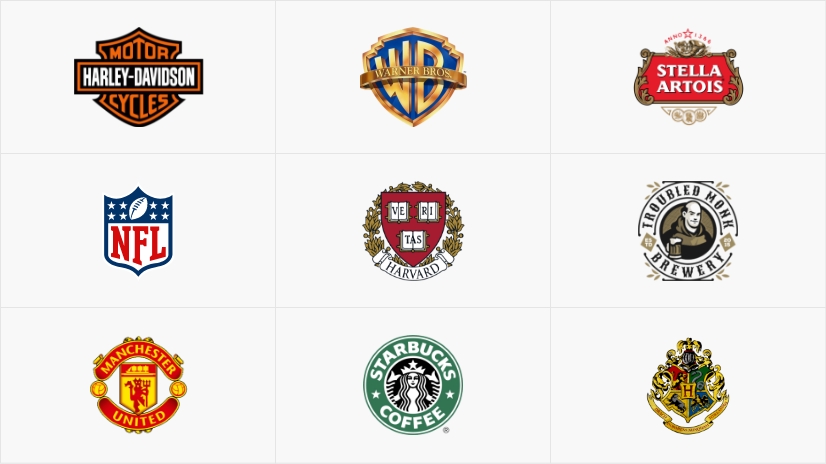
Emblem Logo Design
Emblem logos are ideal for brands aiming to build a prestigious image with a deep sense of history. Traditionally used by noble families, royal castles, and elite universities for centuries, this style conveys an aura of authority. An emblem creates a powerful feeling of reliability, unwavering trust, and long-standing stability.
Combination Mark Design
A Combination Mark integrates both imagery and typography, where design elements are placed side-by-side, stacked, or seamlessly interwoven. By blending text and icons into a unified whole, this technique creates a distinct focal point that enhances the overall impact of the logo.
Dynamic / Responsive Logo Design
Dynamic or Adaptable logos represent the cutting edge of modern design. Unlike static icons, these logos feature movement, animation, and structural changes in shape and form to perfectly suit the context in which they are displayed.
Contoured Wordmark Design
Contoured Word logos are very similar to Wordmarks, featuring the full company name, but with the addition of a distinct enclosing shape. This structural choice provides a great opportunity for brands to incorporate more colors and layers. From a psychological perspective, using circular contours can convey friendliness and approachability, while rectangular frames are often perceived as symbols of stability and reliability.
Slime / Liquid Logo Style
This logo style is characterized by a cartoon-inspired aesthetic, featuring dynamic splash, leak, and drip effects. Drawing inspiration from organic and slime-like textures, these designs convey a sense of playfulness and high-energy fun.
Step 4: Concept Development based on Design Strategy
Once the most suitable design technique is selected, the Vareno design team begins sketching and generating a wide range of logo concepts. This stage is executed with boundless creativity, producing numerous design directions to uncover unique ideas that perfectly encapsulate the brand’s intended message and core values.
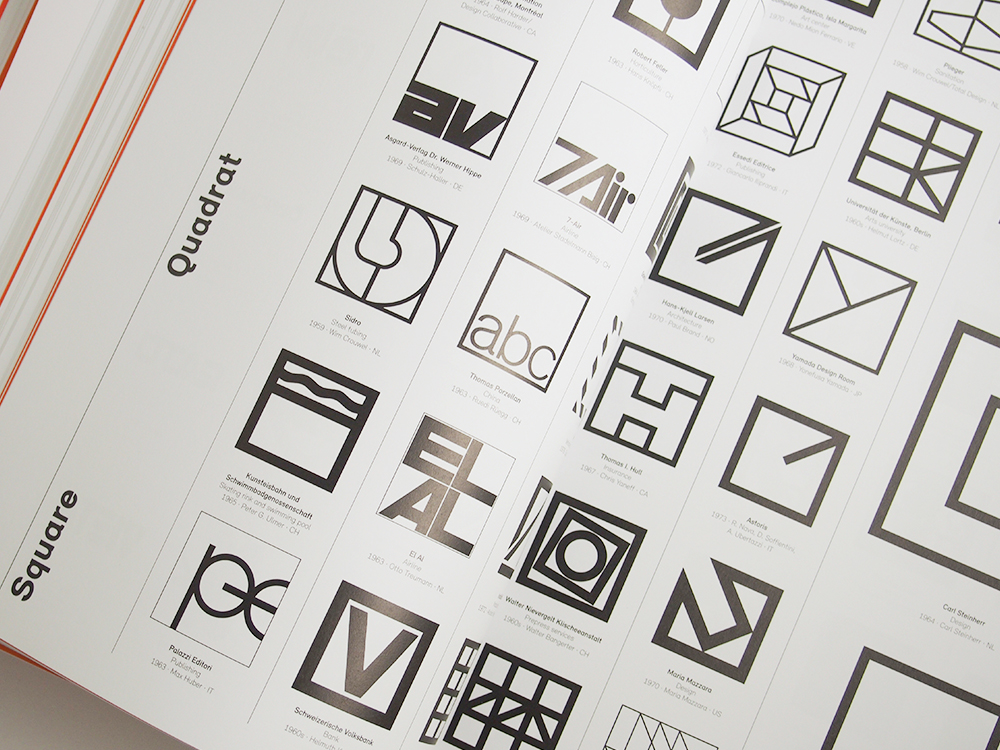
Once the sketches are finalized, the Vareno design team transitions into digital drafting using professional graphic design software. This journey from hand-drawn concepts to digital refinement demands meticulous attention to detail. Every curve and angle is precisely adjusted, and design parameters are balanced to ensure the brand’s unique identity, focal points, and story are clearly defined. This rigorous process guarantees that the final logo concepts are of the highest professional quality.
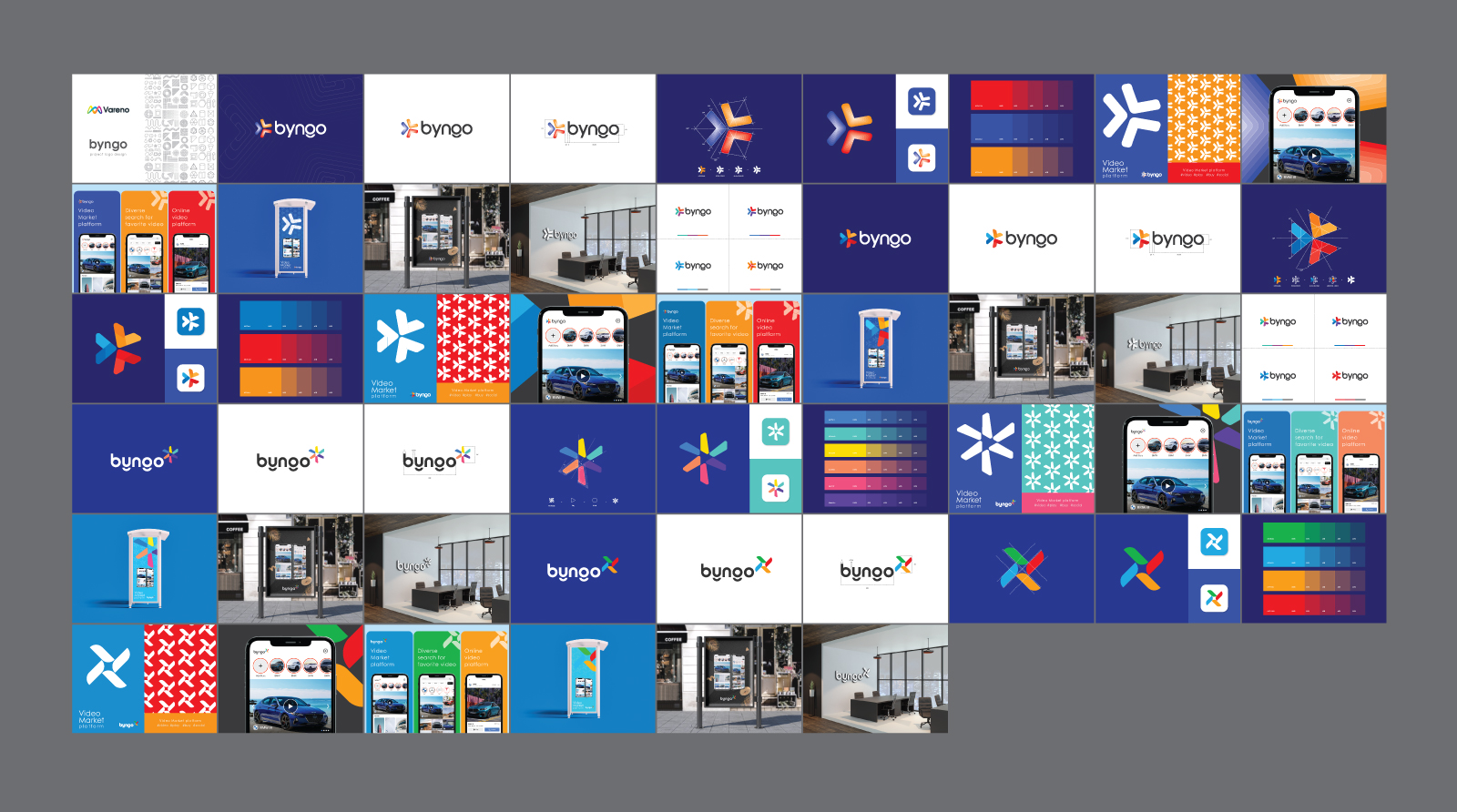
The byngo brand logo concept – created by the Vareno team.
Step 5: Presentation & Feedback Refinement
Beyond design expertise, the next vital step for the Vareno team is professional presentation. We believe in the power of visual storytelling, showcasing the brand’s evolution and the intricate elements that form the logo. Our presentations go beyond mere lines, curves, and typography; they reveal the rigorous grid systems and the serious investment of time and intellectual effort. Every concept we present is a testament to our professional dedication and the deep strategic thinking behind each brand identity.
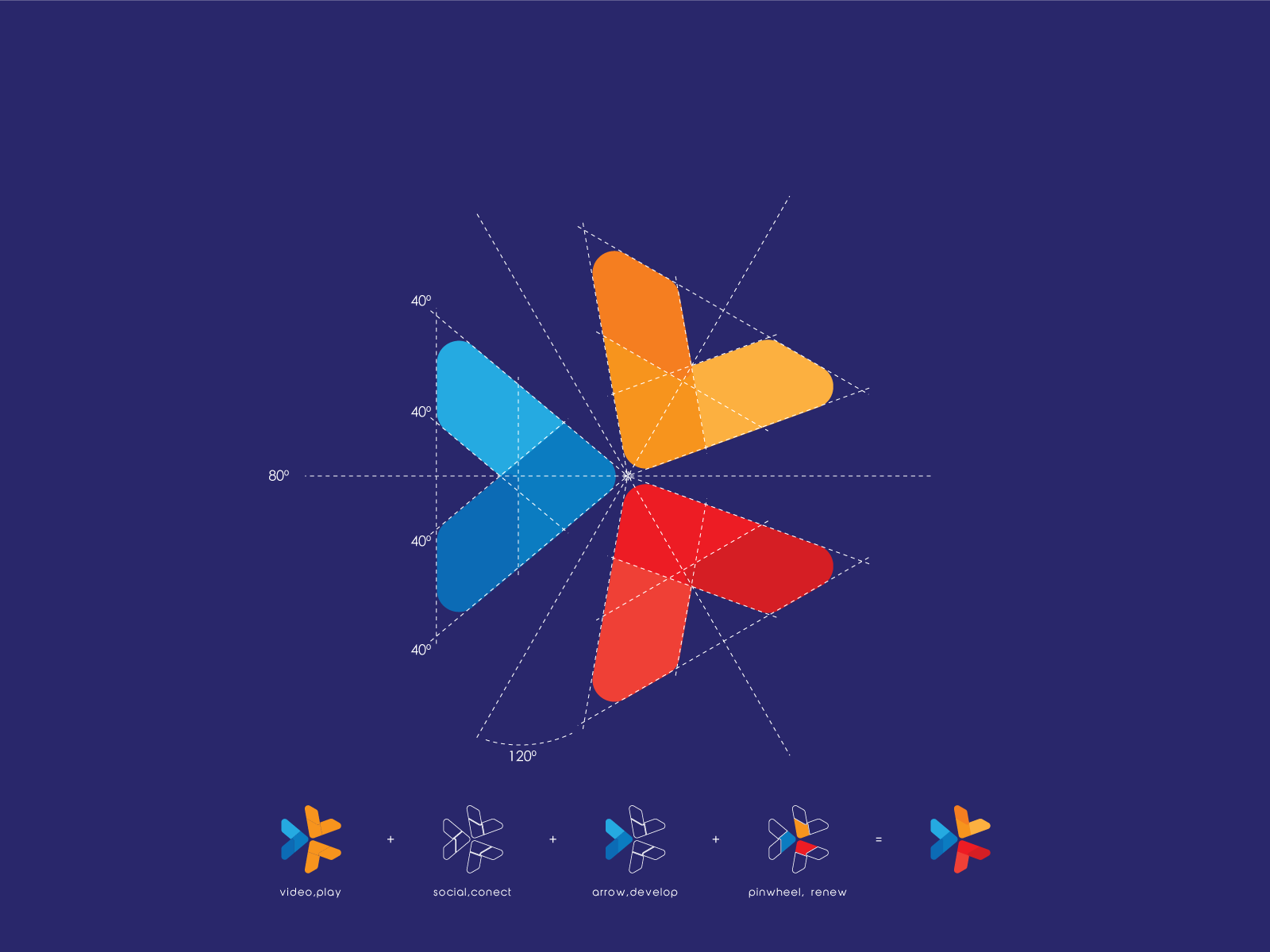
Byngo logo structure – Created by Vareno design team.
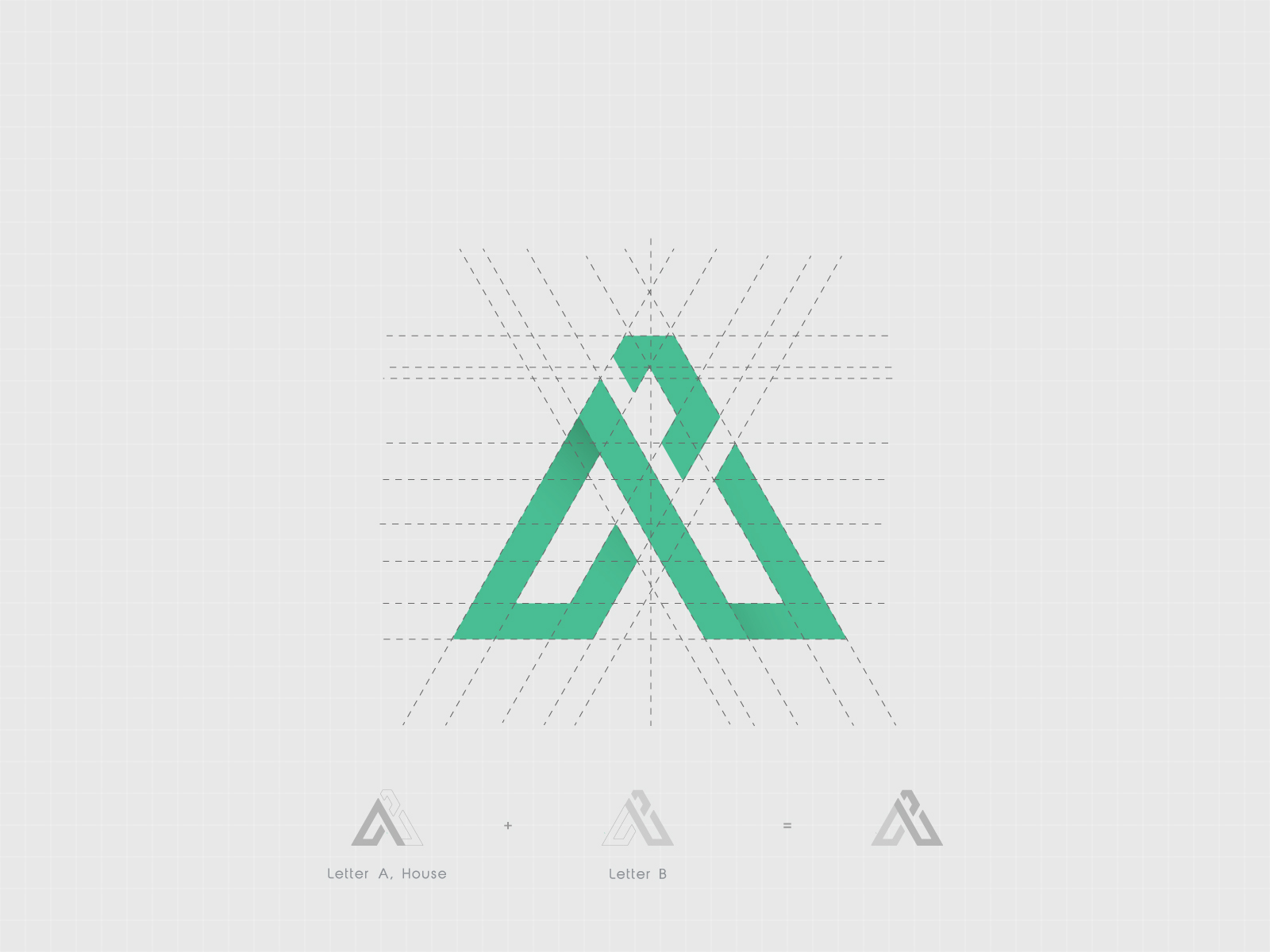
The A&B logo structure – created by the Vareno design team.
The logo concepts will be presented and submitted to the client by the Vareno design team to gather feedback, followed by precise adjustments to align with the client’s specific requirements.
The presentation and revision phase—including adjustments to color, scale, and typography—is an iterative process of collaborative feedback. This ensures the design evolves into a polished final logo that achieves both technical perfection and complete client satisfaction.
Throughout this refinement process, the following key factors are strictly maintained:
- The logo is unique and distinctive, unlike any other brand logo.
- The logo design accurately conveys the brand’s identity, culture, and core values.
- The design uses simple, memorable shapes and lines, even when viewed at a small size.
- The color scheme is harmonious, striking, and characteristic of the brand, making it easy for customers to remember.
- The design uses clear, easy-to-read typography to make the brand name easily recognizable.
- Avoid using too many complex, cluttered details, especially small ones that are difficult to apply to various applications.
- The logo is easily adaptable to various materials, from print and websites to text documents….
Step 6: Final Logo Production & Export
Upon finalizing the perfect logo design, the Vareno team will deliver the complete logo package to the client. The exported logo suite includes the following files:
- Original logo file (AI, PDF) – This is the original logo file, printable in any size.
- Image file (png, jpg)
- Logo color variations
- Logo structure
- 3D Mockup
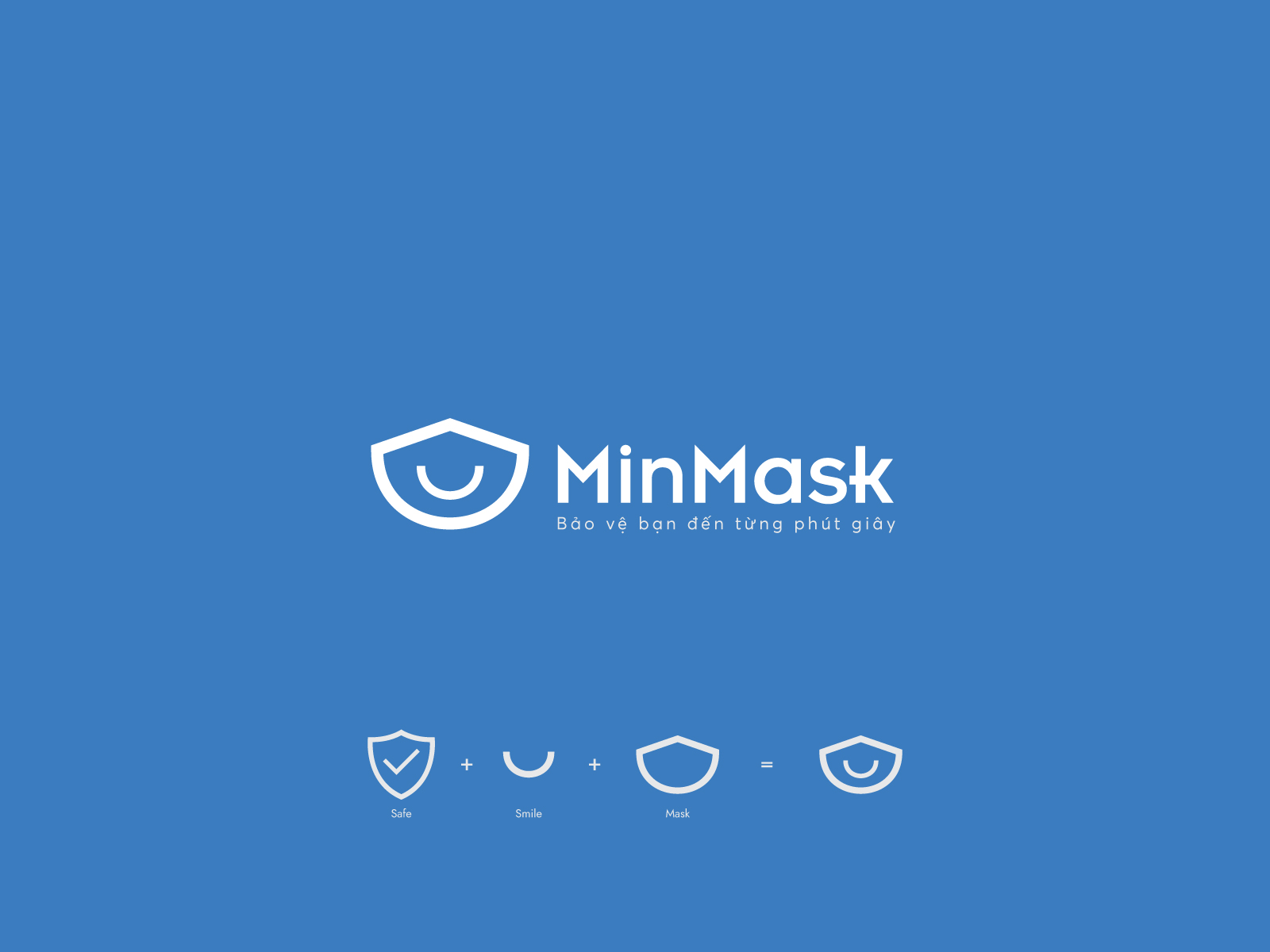

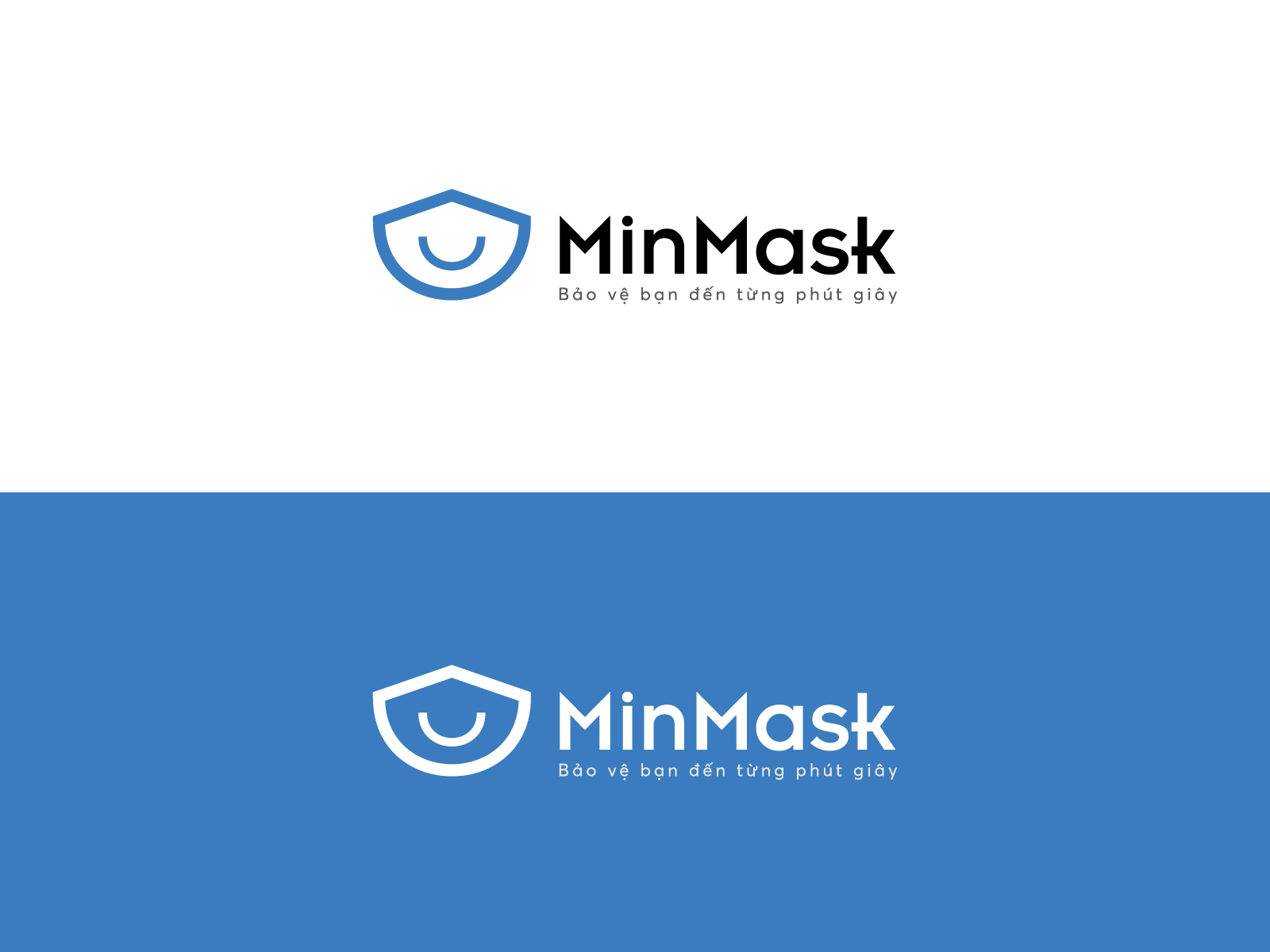
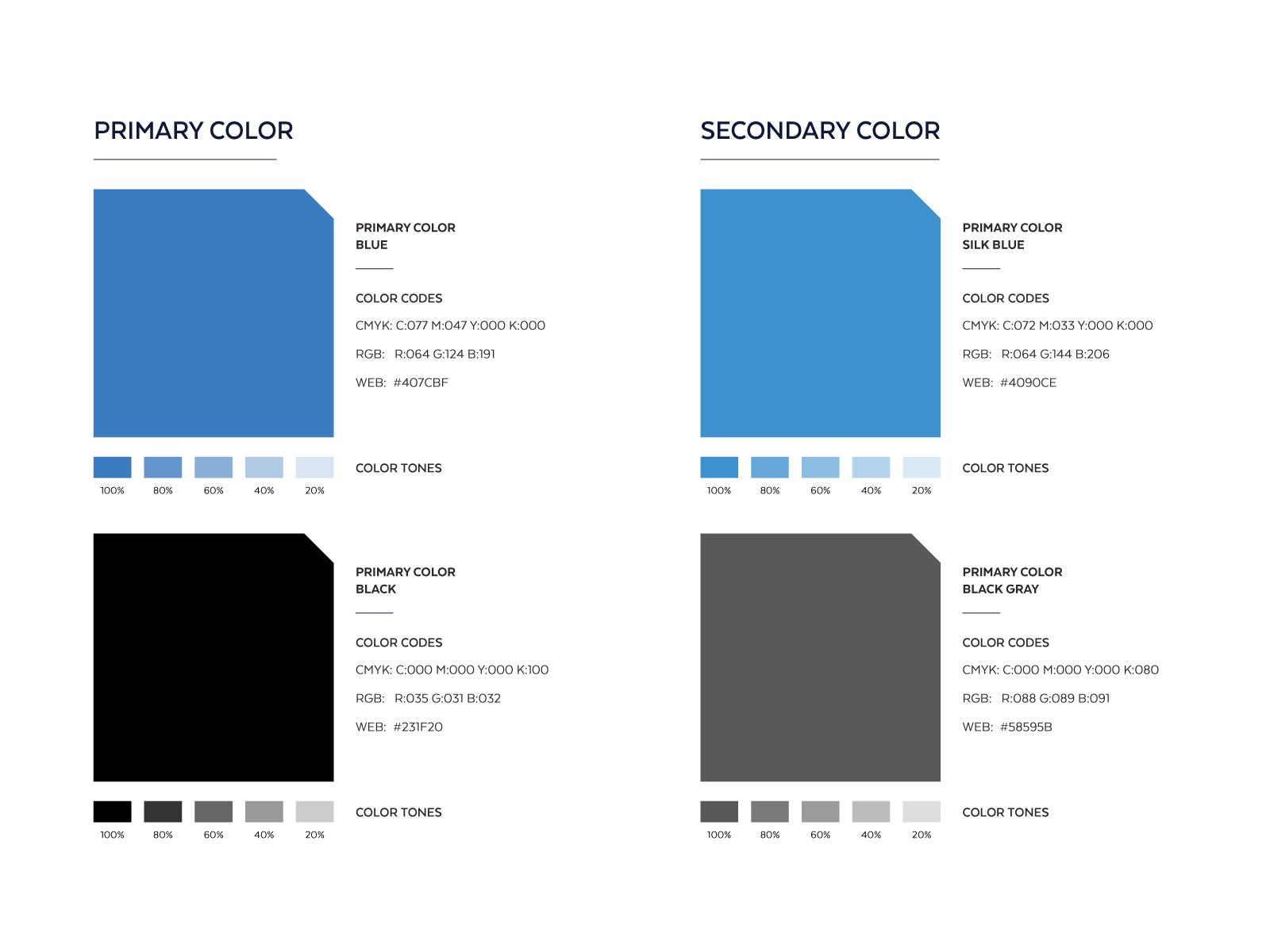
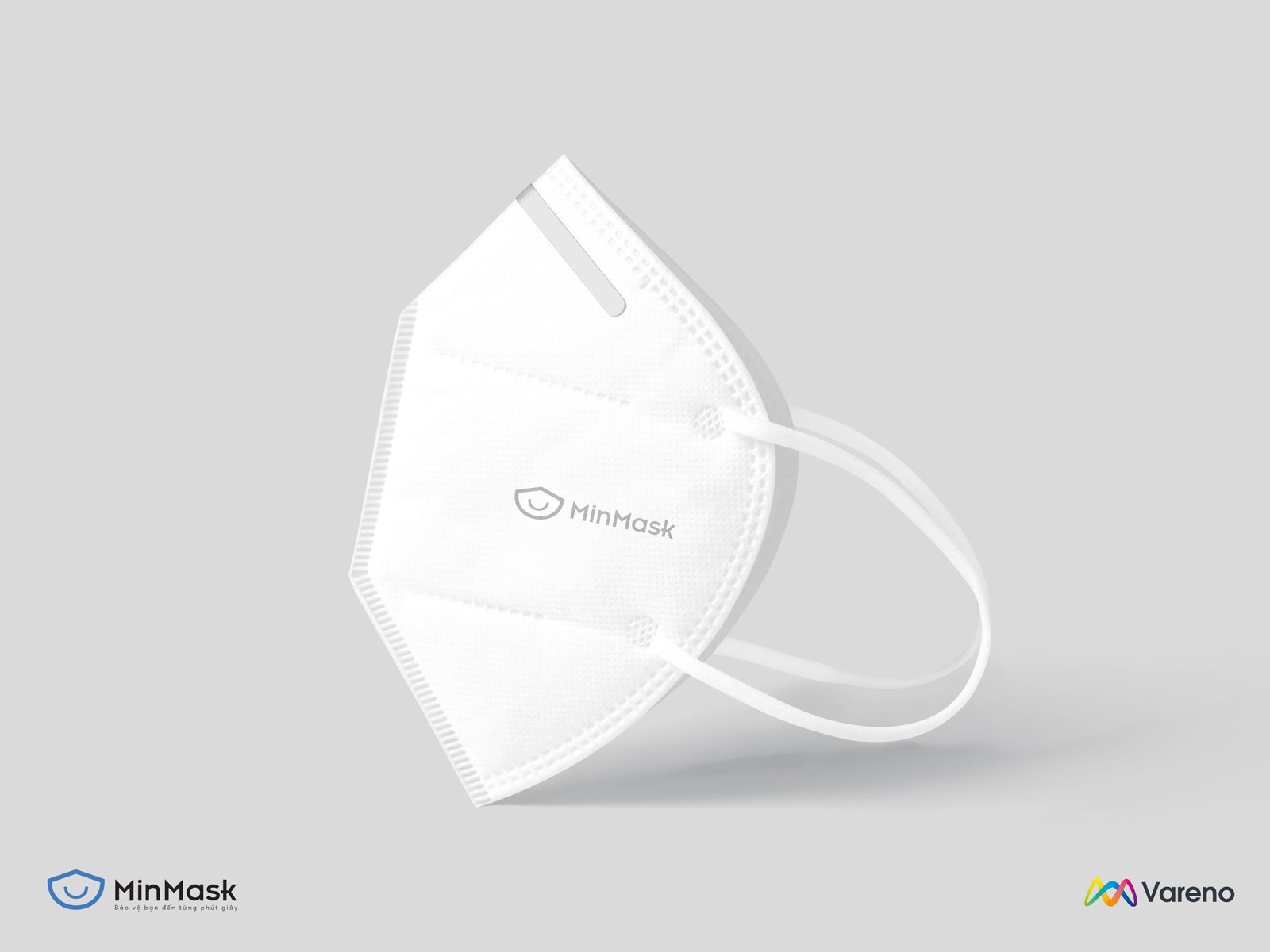
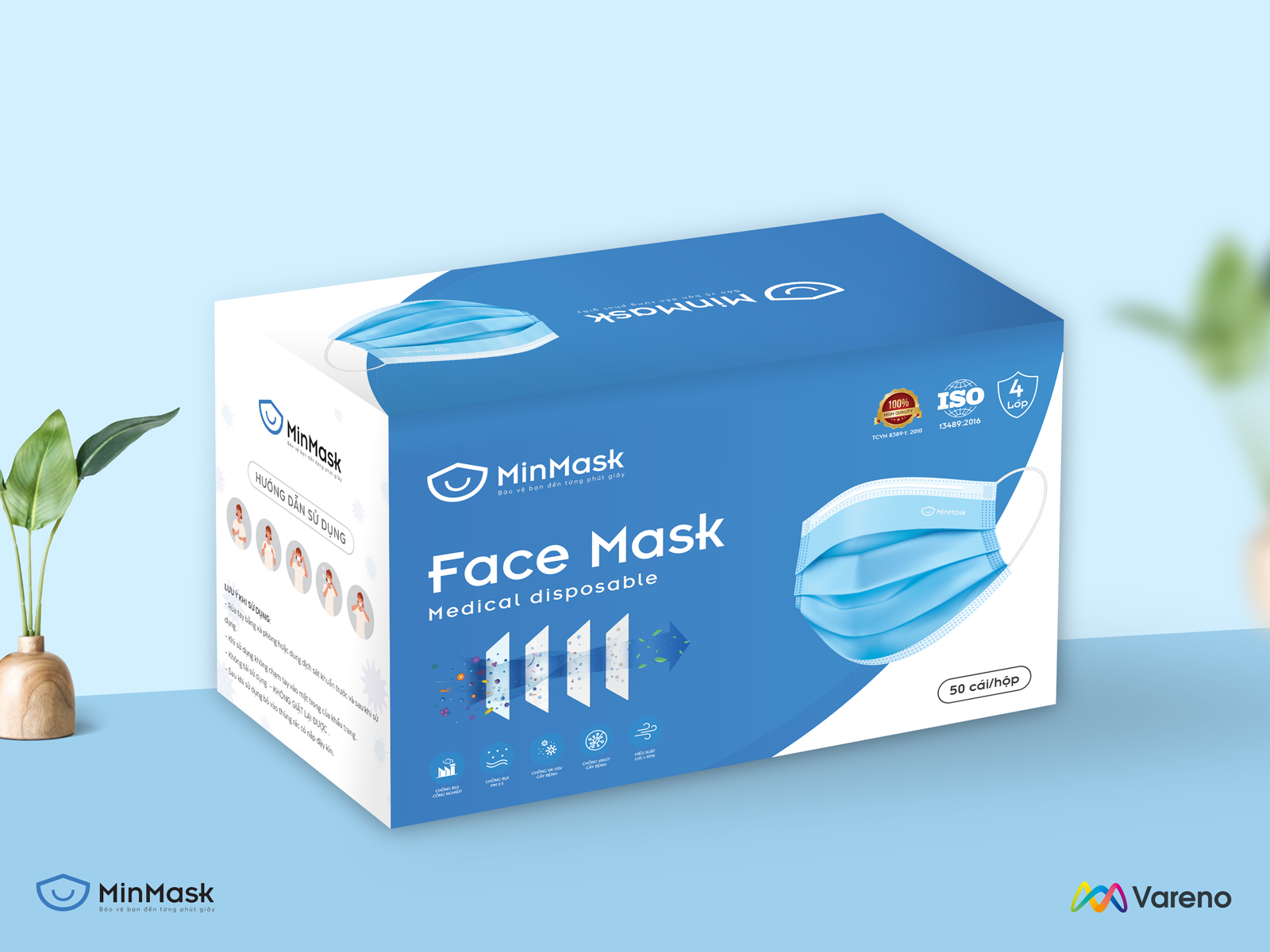
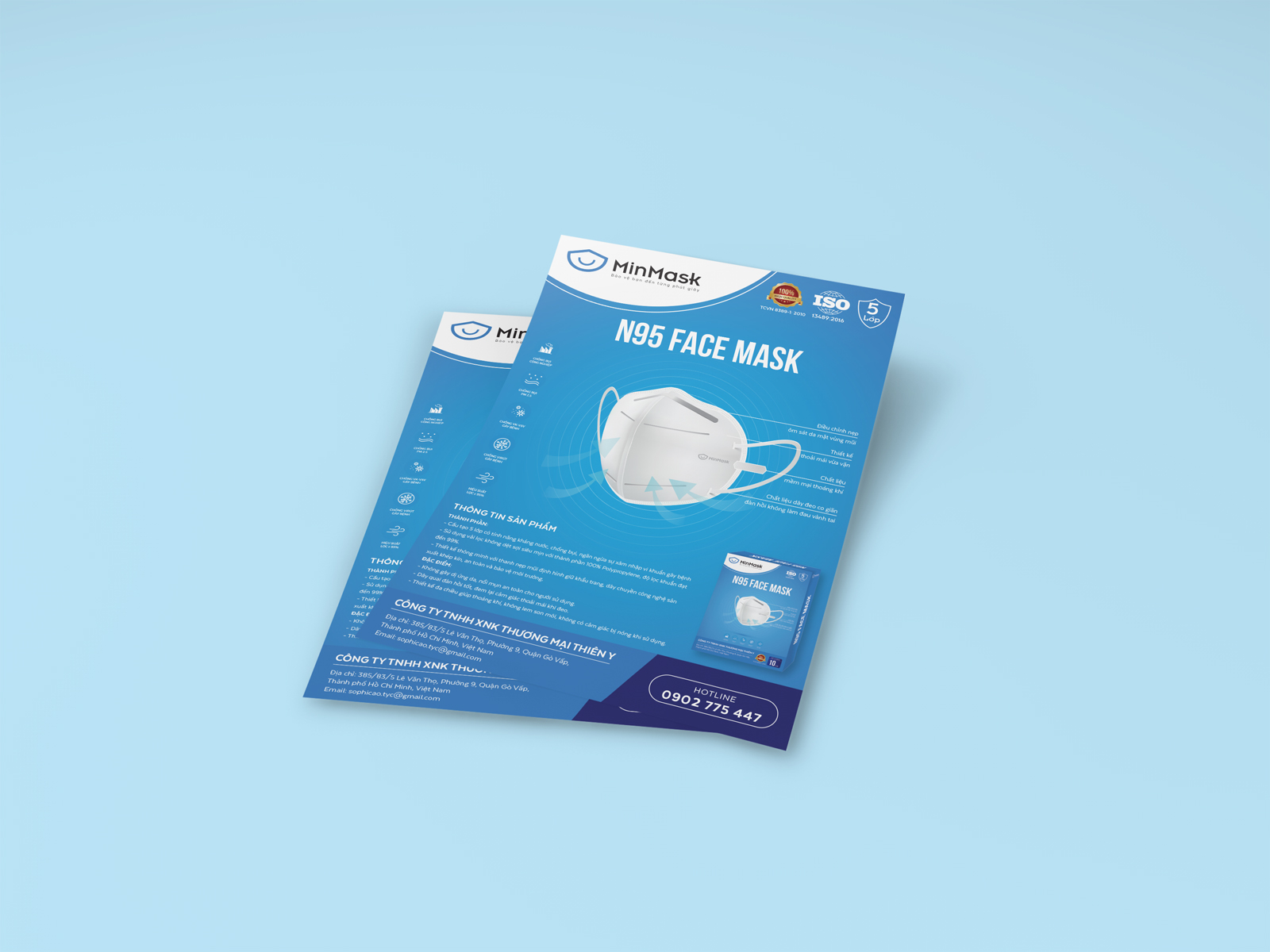
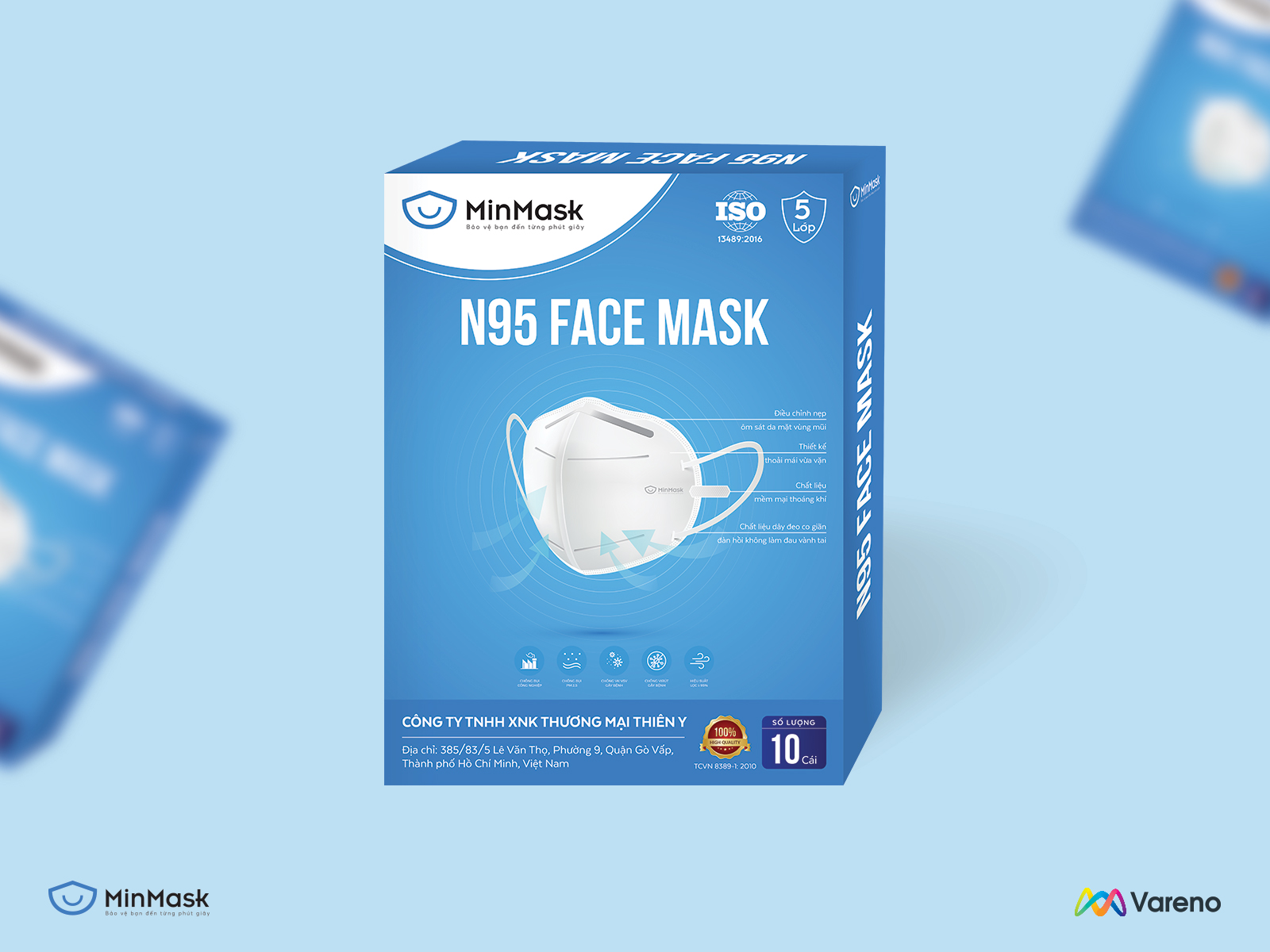
Minmask brand logo – Created by Vareno design team.
Step 7: Finalizing Logo Brand Guidelines
This marks the final stage of Vareno’s signature 7-step professional logo design process.
The Logo Guidelines serve as a definitive roadmap for using the brand identity accurately, professionally, and effectively. This essential document acts as a safeguard, ensuring absolute consistency and uniformity across all future design, marketing, and communication activities…
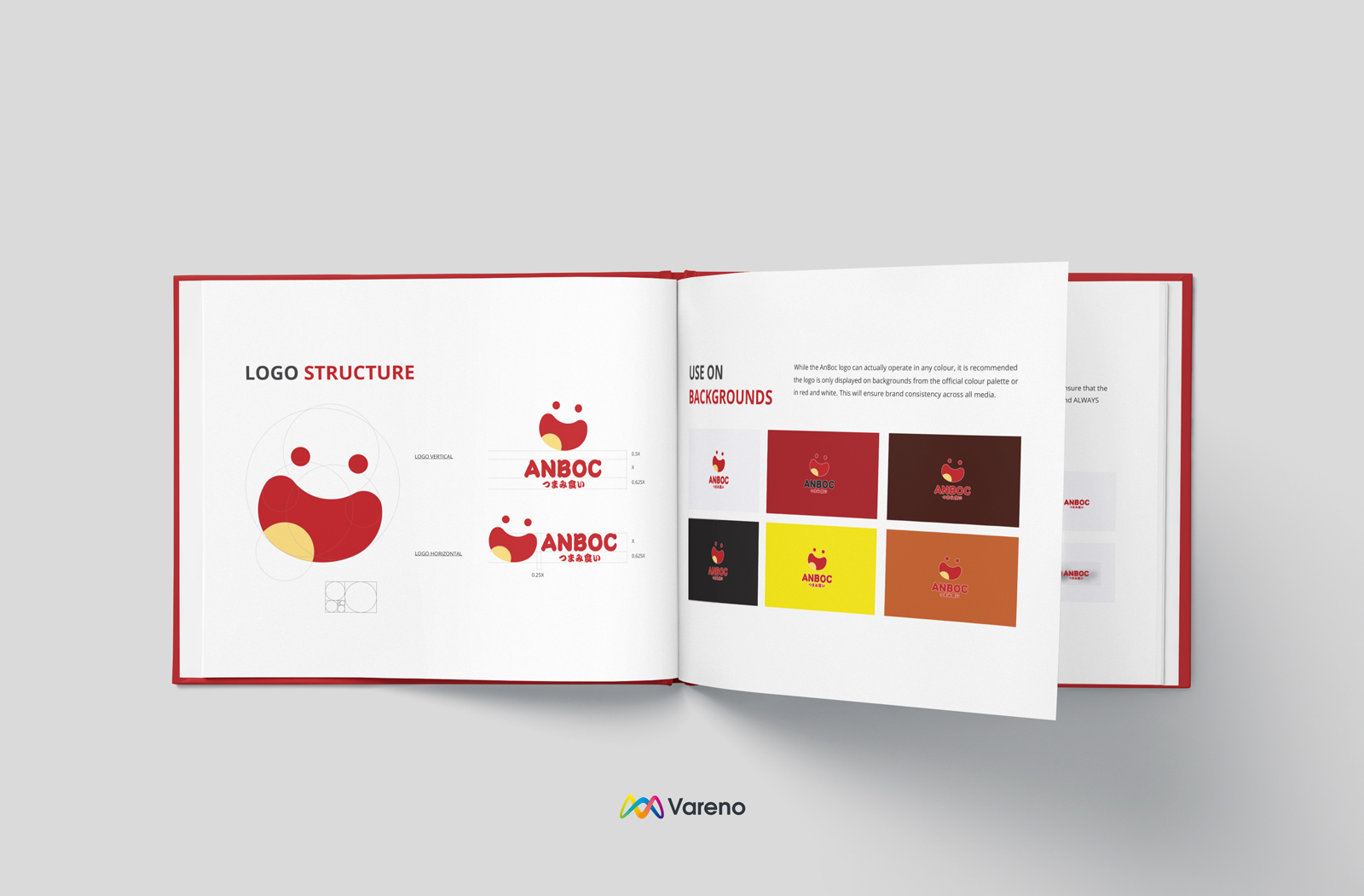
AnBoc brand logo guidelines – Created by Vareno design team.
The logo guidelines include sections such as:
- Introduction the logo
- Logo usage guidelines
- Horizontal, vertical, icon, and brand name versions of the logo
- Color versions of the logo, logo on a white background, logo on a colored background, logo on an image background
- Safe distance when using the logo
- Color system and fonts
- Logo usage regulations and mistakes to avoid with the logo
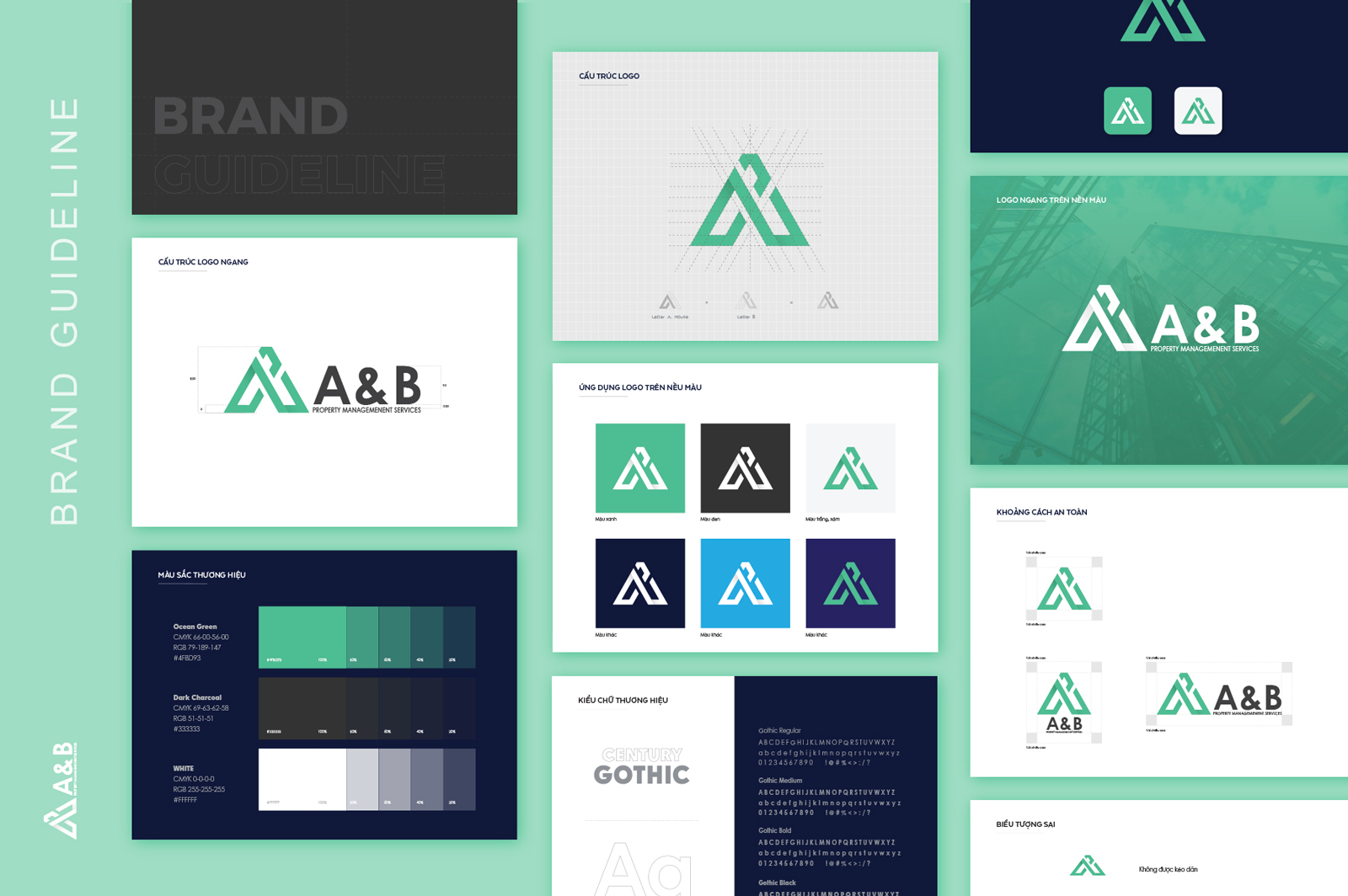
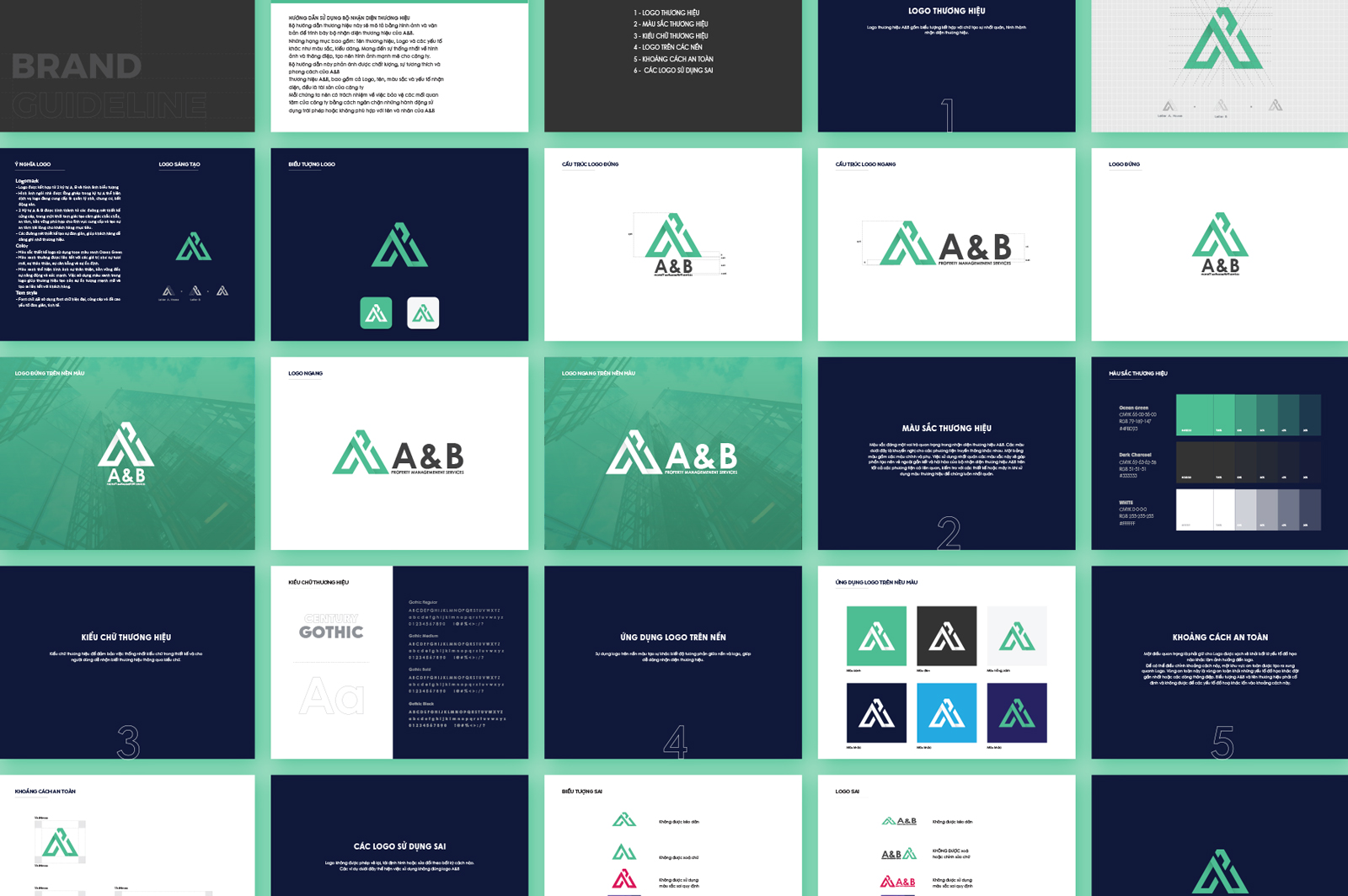
Brand guidelines for the A&B real estate management company’s brand design project.
What is the important role of logo guidelines in building and promoting a brand?
- Ensuring Absolute Brand Consistency and Uniformity: Logo Guidelines serve as a definitive manual for clients, users, and designers to implement the brand identity with total cohesion. By providing a standardized framework, this document streamlines the design and marketing process across all platforms, maximizing brand recognition and ensuring a professional, unified presence in every external communication.
- Enhancing brand professionalism: A logo is an image that helps customers easily recognize a brand, so using it correctly will help the brand enhance its professionalism.
- Saving time and costs in using the company’s logo.
- Avoiding unnecessary mistakes in logo usage helps protect the brand image.
Therefore, creating and using logo guidelines is essential for all businesses in the process of brand formation and development.
Conclusion
The professional logo design process requires Vareno’s design team to possess extensive practical experience, astute observation, and a multi-dimensional brand perspective. Deeply understanding a brand is both a challenge and a motivation for our designers to affirm their value. This commitment drives us to create impressive, creative, and professional brand identities, accompanying businesses on their journey of brand building and sustainable development.
The above process requires the design team to create a distinctive, impressive, and memorable brand logo that ensures the brand’s multi-platform applicability, especially helping the brand image stand out among competitors in the market, building trust with target customers, and increasing brand value.
If your business is seeking a stunning, professional, and impactful logo, please do not hesitate to contact us. Build a solid foundation for your success with our professional corporate logo design services.
Hotline: 0902 4010 79
The Vareno Team sincerely thanks you.
3- Essential Logo Design FAQs You Should Know
What is a Logo? Why Do Businesses Need Logo Design?
A logo is not the entire brand. Rather, it is a visual representation of a company’s values, expressed through symbols, typography, or a strategic combination of both.
A logo is an indispensable element in driving a brand’s success—alongside the superior quality of the products and services your business delivers to its customers.
Key Reasons Every Business Needs a Professional Logo:
1. A logo is the foundation of a company’s brand identity.
2. A logo is a bridge connecting customers with a brand.
3. A logo makes you stand out.
4. Logos promote brand loyalty.
5. Make a strong impression, attract attention, and increase goodwill with your target customers.
6. Create something unique and different from the competition.
7.Increase the association with the value that the business provides.
What is the logo design process?
The development of a design workflow requires a systematic link between each step and logical thinking. This process is distilled from years of accumulated experience and practical competence across numerous projects by both individual designers and our entire creative team, ensuring a professional standard that delivers the ultimate service experience for our clients.
Vareno’s 7-step professional logo design process
Step 1: Understand and research the brand thoroughly.
Step 2: Research and evaluate the market.
Step 3: Carefully consider logo design techniques.
Step 4: Create a logo concept based on the design strategy.
Step 5: Present the logo to the client for review and make adjustments based on feedback (if any).
Step 6: Publish the finalized logo.
Step 7: Finalize the logo guidelines.
What does a brand identity system include?
A corporate brand identity system includes:
1. The brand’s logo and slogan.
2. Office branding application system:
- Business cards, flyers, envelopes, name tags
- Note paper, invitations, documents, invoices
- Employee uniforms, hats, raincoats, badges
- Catalogues, brochures, profiles
3. Online branding application system:
- Website and Landing Page Design
- Banner Ads, Google Ads, Facebook Ads
- Images on Social Media
4. POSM branding application system
- Billboards, OOH
- Catalogues, Brochures, Banners, Posters, Standees
- Exhibition counters, Product displays
- Sales Kit